
Kickstart Your Career as an Academic Editor in 2025
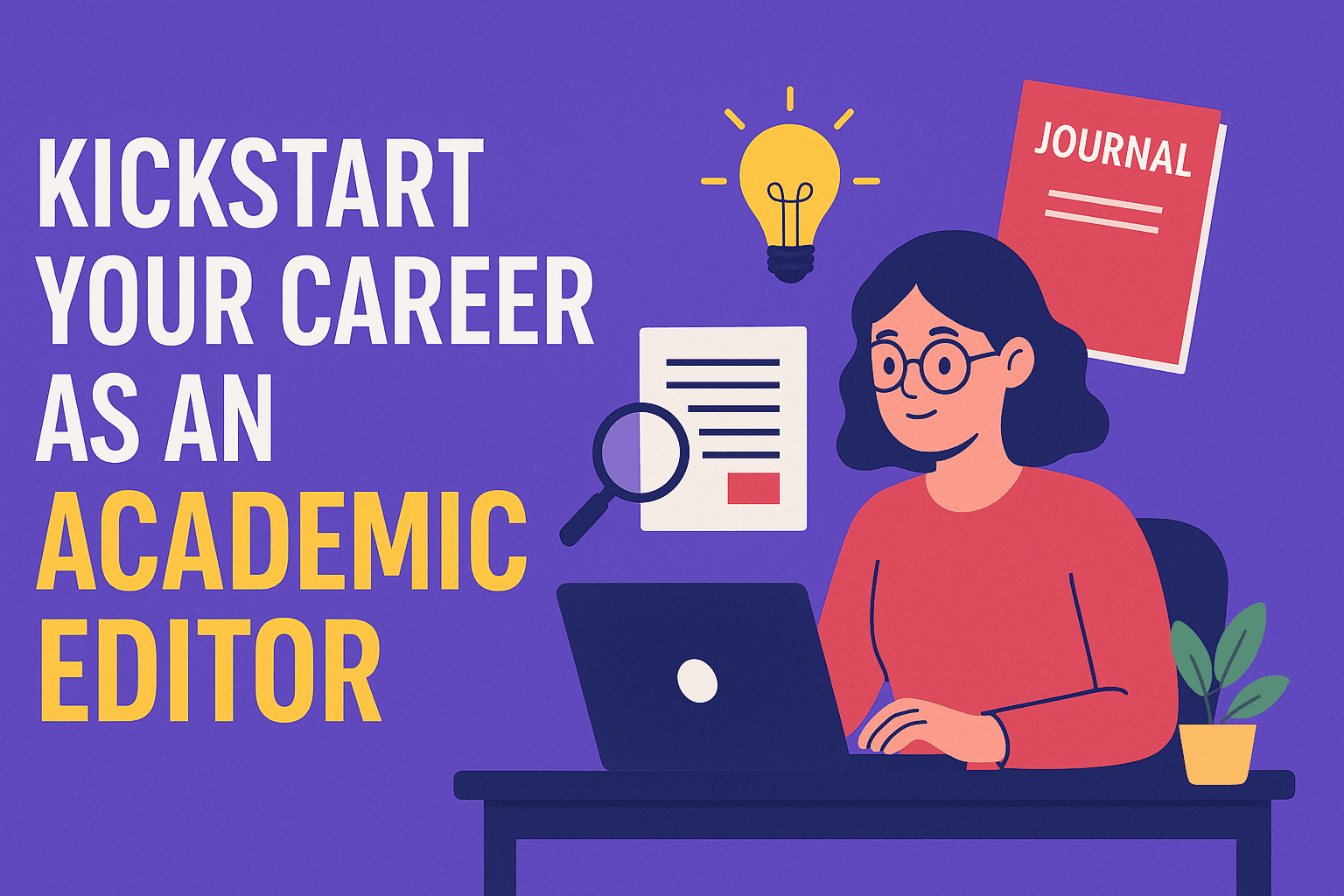
Author: Dr. Priyanka Bhoj • Publication: Versatile Scientist • Updated: Aug 2025 Love science? But obsessed with clarity? Academic editing might just be your dr...
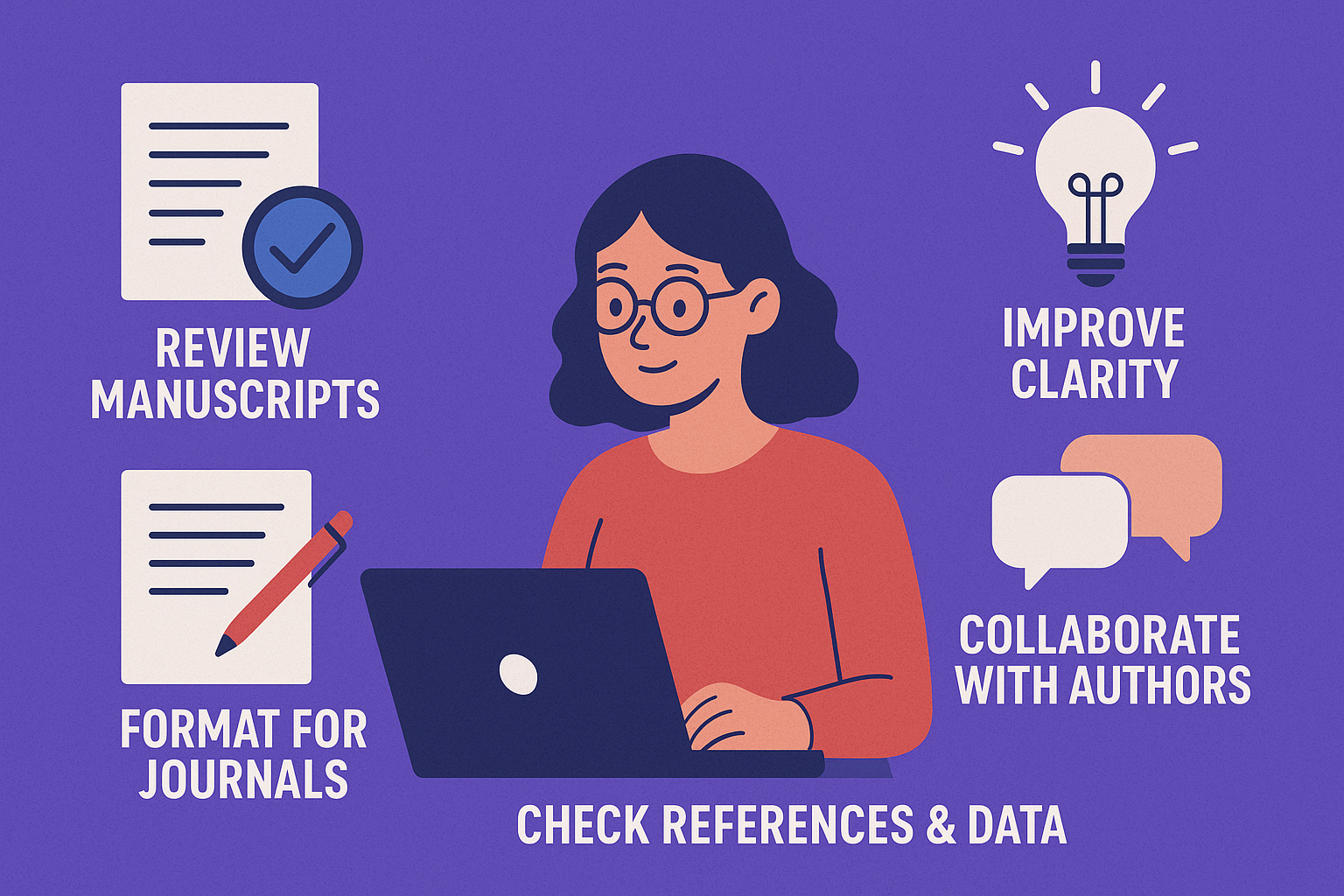
What Does an Academic Editor Do?
- Review Manuscripts: Check grammar, punctuation, spelling, and style.
- Improve Clarity: Ensure research ideas are communicated clearly and logically.
- Format for Journals: Follow journal-specific guidelines accurately.
- Check References & Data: Ensure citations, figures, tables, and statistics are correct.
- Collaborate with Authors: Provide suggestions without changing the scientific meaning.
How to Become an Expert Academic Editor
- Build a Strong Scientific Foundation: Earn a master’s or PhD in biology, medicine, engineering, social sciences, or other research-heavy fields. This background helps you understand complex scientific concepts and communicate them clearly.
- Master Language & Style: Fluency in English and familiarity with styles like AMA, APA, Chicago, or journal-specific formats. Many companies offer training, but having this knowledge beforehand is a big plus.
- Gain Publishing Experience: Volunteer to review articles, assist in manuscript preparation, or write summaries. Hands-on experience is the fastest way to sharpen your skills.
- Learn Editing Tools & Guidelines: Know how to use Track Changes (essential), reference managers (EndNote, Mendeley), plagiarism checkers (iThenticate), and journal submission platforms (Editorial Manager, ScholarOne, eJournalPress). Even basic familiarity gives you an edge..
- Specialize in a Field: Choose at least one niche—like immunology, neuroscience, engineering, or AI. If research is happening in a field, chances are, it needs editors!
- Continuous Learning: Join webinars, workshops, and peer review sessions. Take online courses (e.g., Coursera, EdX) to stay up-to-date and refine your expertise.
Opportunities for ESL Editors: My Success Story!
When I first started, I didn’t have all the answers—or the perfect grammar. What I did have was curiosity, a love for science, and a willingness to learn.
I began small, volunteering to write and edit articles and taking on a few freelance projects here and there. Each manuscript became a classroom for me—every correction, every reviewer comment, a lesson in itself.
I made it a habit to connect with editors on LinkedIn, reading their posts carefully. You’d be surprised how often they share golden, minute details about the craft—things you won’t find in a textbook.
So apply confidently. Your science knowledge is your strongest asset, and your willingness to learn will take you further than perfect English ever could. If I could do it, so can you!
Companies Offering Academic Editing Jobs
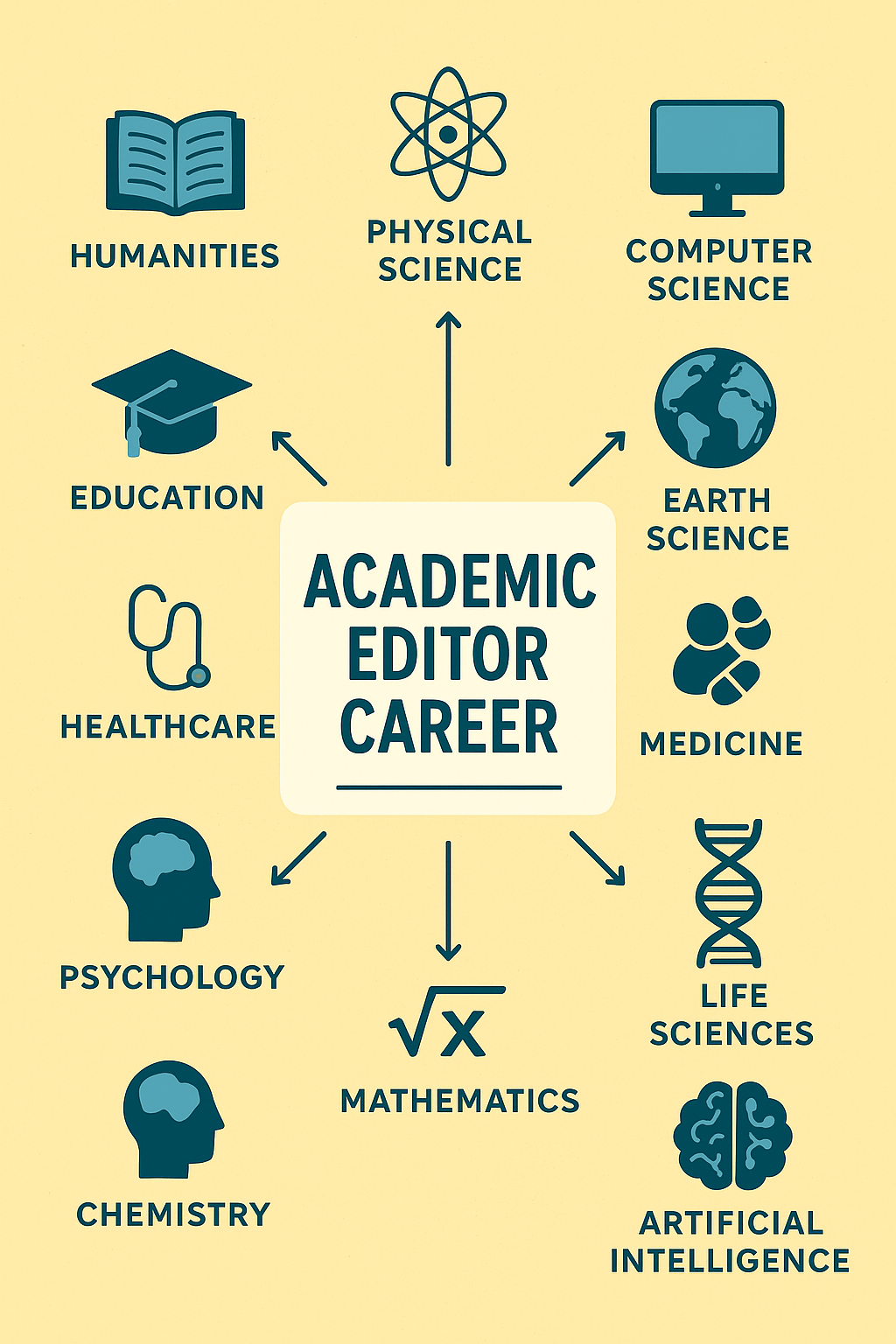
- Cactus Communications: Almost all academic niches, including humanities, physical science, computer science, engineering, earth science, education, psychology, health care, medicine, and life sciences
- Enago: Chemistry, engineering, mathematics, physics, computer science, medicine, and artificial intelligence
- AJE (American Journal Experts): Biological sciences, engineering, physics, chemistry, math, computer science, AI/ML, business, and earth/environmental sciences. Unfortunately, residents of countries outside of the United States are not eligible for this position
- Wiley & Elsevier Editing Services
Key Takeaways for Freshers
- A scientific background + basic English skills = foundation
- Learn journal formats and editing tools
- Start small: volunteer, freelance, or assist senior editors
- Specialize in a field for better opportunities
- Take online courses to strengthen skills
- Explore companies like Cactus, Enago, AJE, Editage, Wiley, and Elsevier
- Keep learning and practicing continuously
Ready to Start?
Check out exciting openings at Enago and other top editing companies. Your journey can begin today!About the Author
Priyanka Bhoj, Ph.D., is a biomedical scientist and scientific editor with expertise in biochemistry, immunology, molecular biology, and cell biology. Her research spans neurodegenerative, autoimmune, and infectious diseases, focusing on pre-clinical therapeutic development and translational medicine. She has extensive experience in academic publishing—serving as an editorial advisor at Springer Nature, an expert editor at Cactus Communications, and a guest associate editor for Frontiers. Dr. Bhoj is passionate about bridging scientific discovery with practical application to bring therapies closer to patient care. LinkedIn • PublicationsRelated Articles
 Career path
Girls' Education Roadmap: India and Abroad
A stage-by-stage education roadmap for girls in India, especially rural girls: schools, scholarships, study abroad and support. Download the full PDF.
 Career path
Google Student Researcher Program 2026: Ultimate 12-Step Guide to Eligibility, Application & Benefits
Google Student Researcher Program 2026 is a highly prestigious global research opportunity offered by Google for students pursuing Bachelor’s, Master’s, or PhD ...
 Career path
CUET-UG-2026-guide
CUET UG 2026 is one of the most important national-level entrance examinations in India for students seeking admission into undergraduate programs offered by Ce...